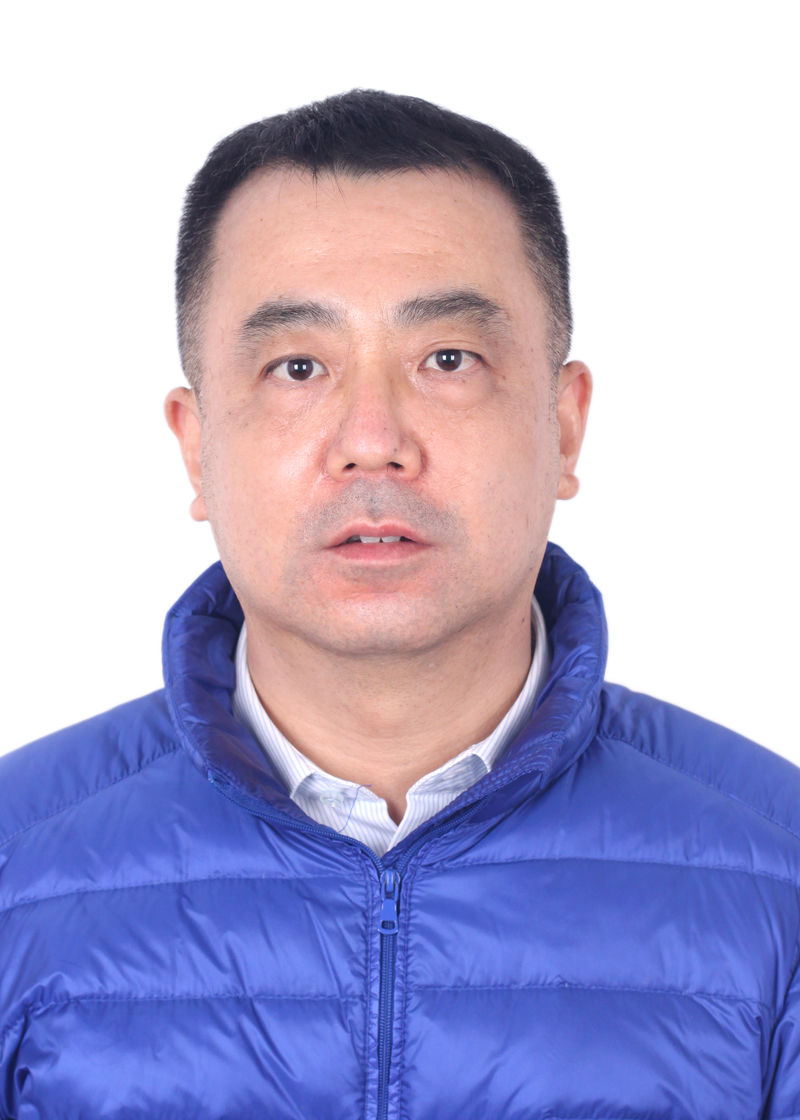
张林军
职位:长聘副教授
最高学历:北京师范大学博士
办公室:北京大学对外汉语教育学院 326
Email:zhanglinjun@pku.edu.cn
研究领域:言语感知、语音习得
l 简介
1.教育背景
2006年毕业于北京师范大学心理学院,获博士学位。
2.工作/社会经历
2002年-2003年在浙江宁波大学工作;
2006年-2021年在北京语言大学工作;
2021年11月入职北京大学。
3. 社会兼职
长期参与多所特教学校的听障和视障儿童的语言测试和心理咨询等。
4. 荣誉及获奖
无
l 科研
1.已发表论文
近5年的代表性论文
(1)Xi, J., Xu, H., Zhu, Y., Zhang, L.*, Shu, H., Zhang, Y.* (2021). Categorical perception of Chinese lexical tones by late second language learners with high proficiency: Behavioral and electrophysiological measures. Journal of Speech Language and Hearing Research, 64(12) : 4695-4704. (As the corresponding author
(2)Zhang, L., Xie, S., Li, Y., Shu, H., Zhang Y. (2020). Perception of musical melody and rhythm as influenced by native language experience. Journal of the Acoustical Society of America, 47(5): EL385-390.
(3)Hong, T., Wang, J., Zhang, L.*, Zhang, Y., Shu, H. *, Li, P. (2019). Age-sensitive associations of segmental and suprasegmental perception with sentence-level language skills in Mandarin-speaking children with cochlear implants. Research in Developmental Disabilities, 93: 1-8. (As the corresponding author)
(4)Zhang, L., Wang, J., Hong, T., Li, Y., Zhang, Y., Shu, H. (2018). Mandarin-speaking, kindergarten-aged children with cochlear implants benefit from natural F0patterns in the use of semantic context during speech recognition. Journal of Speech, Language, and Hearing Research, 61: 2146-2152.
(5)Jiang, W., Li, Y., Shu, H., Zhang, L.*, Zhang, Y. (2017). Use of semantic context and F0 contours by older listeners during Mandarin speech recognition in quiet and single-talker interference conditions. The Journal of the Acoustical Society of America, 141(4): EL338-344. (As the corresponding author)
浏览和下载已发表的完整英文论文可通过以下链接:https://www.researchgate.net/profile/Linjun-Zhang-5
2. 专著和译著
语言的节奏特征研究——从行为到脑机制,北京语言大学出版社,2015。
3. 已出版著作
无
4. 主持项目
近5年作为负责人承担的主要科研项目
(1)北京大学学科建设项目:母语者和第二语言学习者汉语声调感知的深层机制研究,2022-2024。
(2)国家社科基金项目:汉语发展性语言障碍的语音加工缺陷及其深层机制研究,2021-2025。
(3)教育部人文社科基金项目:人工耳蜗植入儿童的大脑可塑性及其对言语和阅读发展的影响,2019-2023.
(4)北京市社科基金项目:先天性辅音/声调感知障碍的心理和神经机制研究,2018-2022。
l 教学
一、研究生课程
2022.9-2022.12,心理语言学
二、留学生课程
2022.3-2022.6,高级口语


